
Nuggets! How a Little Bite Became a Big Deal
From Robert C. Baker’s early chicken-stick research to McDonald’s Chicken McNuggets and Perdue’s dinosaur-shaped bites, the humble nugget grew into a fast-food favourite for all ages.
From Robert C. Baker’s early chicken-stick research to McDonald’s Chicken McNuggets and Perdue’s dinosaur-shaped bites, the humble nugget grew into a fast-food favourite for all ages.
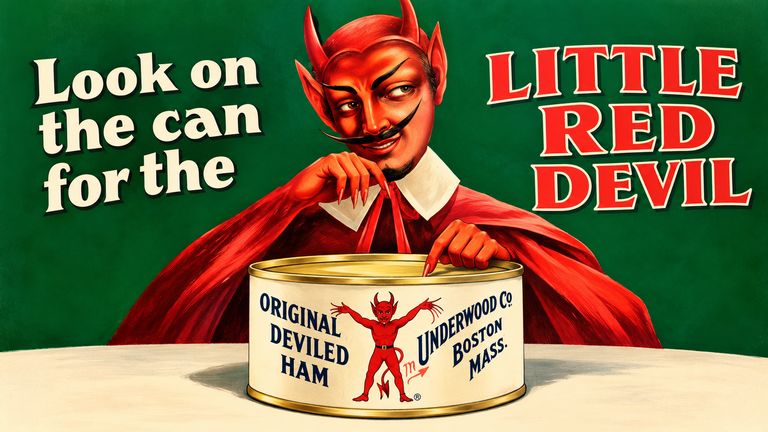
Underwood Deviled Ham's Little Red Devil has a trademark dating to 1870, a literary cameo in William Faulkner, and a place in the Kennedy family home's history.
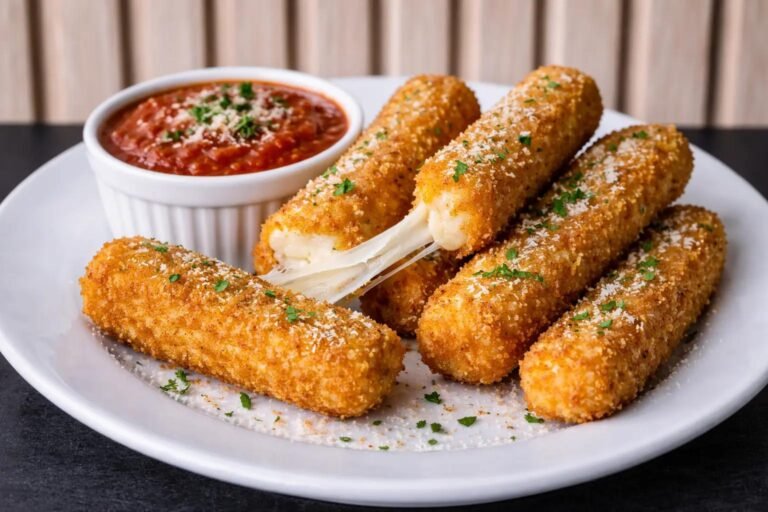
Mozzarella sticks seem like a modern bar-food invention, but their story stretches from medieval France through Naples and into American restaurants.
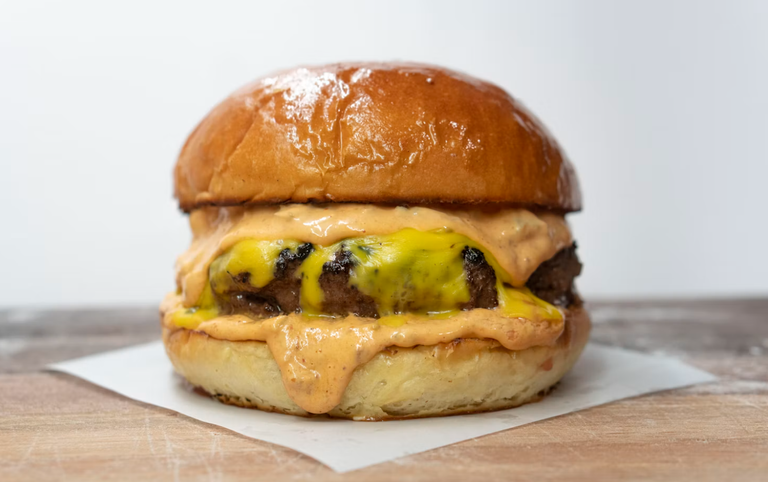
The cheeseburger seems simple enough, but its origin story involves a teenage cook, competing claims, a trademark, chocolate experiments and a 2,014-pound burger.
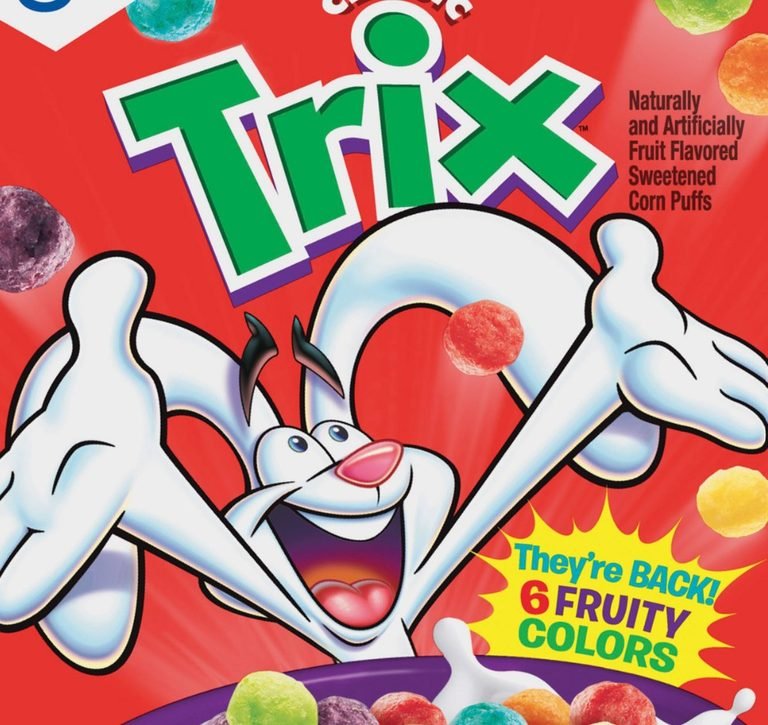
Trix has changed its shapes, colors and ingredients over the years, but General Mills has kept the brand familiar enough to make consumers feel like they're still eating
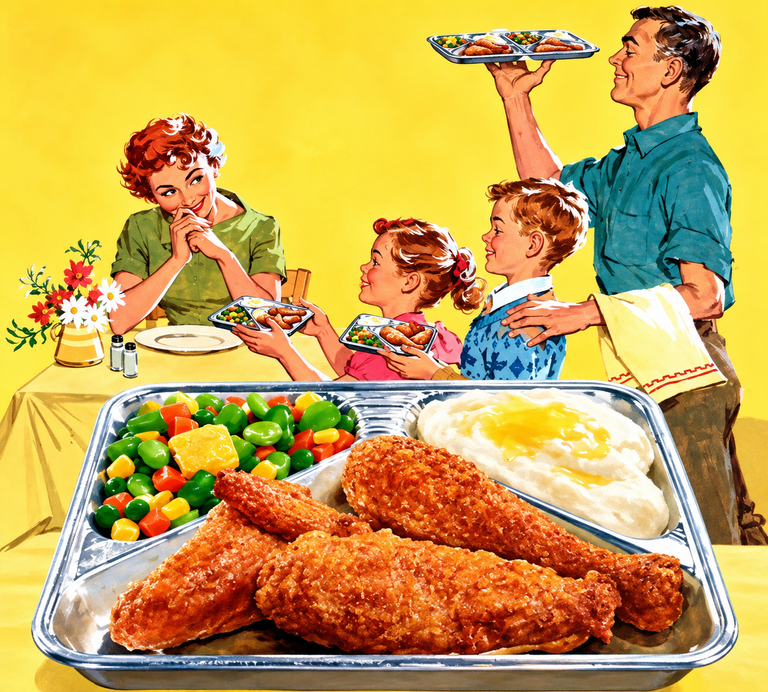
The TV dinner was more than a frozen meal. Swanson connected convenience food to television, the Space Age and a changing American lifestyle, creating a food icon that
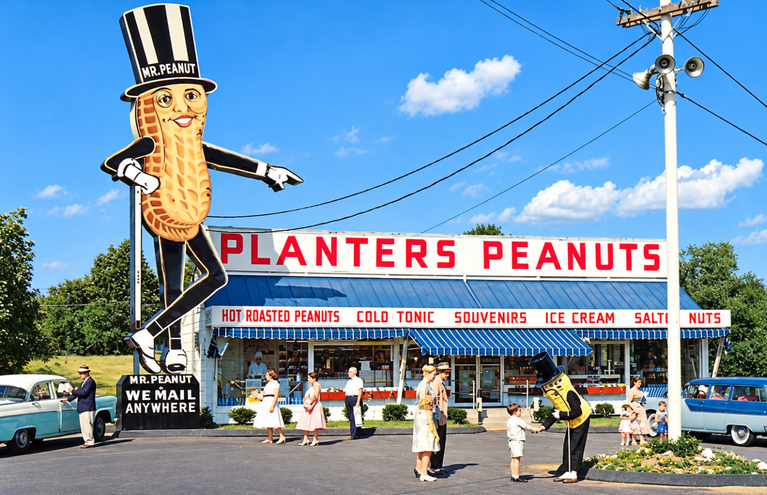
Mr. Peanut is more than a peanut in a top hat. From his creation in 1916 to television and social media, here's how he helped change food advertising.
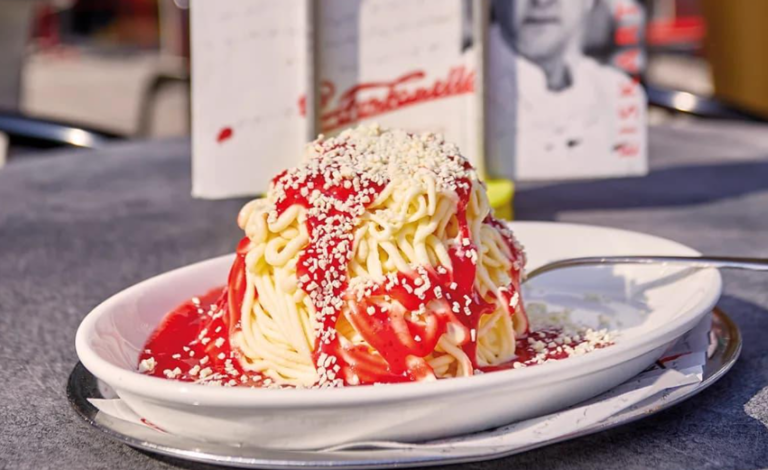
It looks like spaghetti, comes with “tomato sauce” and “Parmesan,” but it’s actually ice cream. Discover the strange story behind Spaghettieis and why the rest of the world
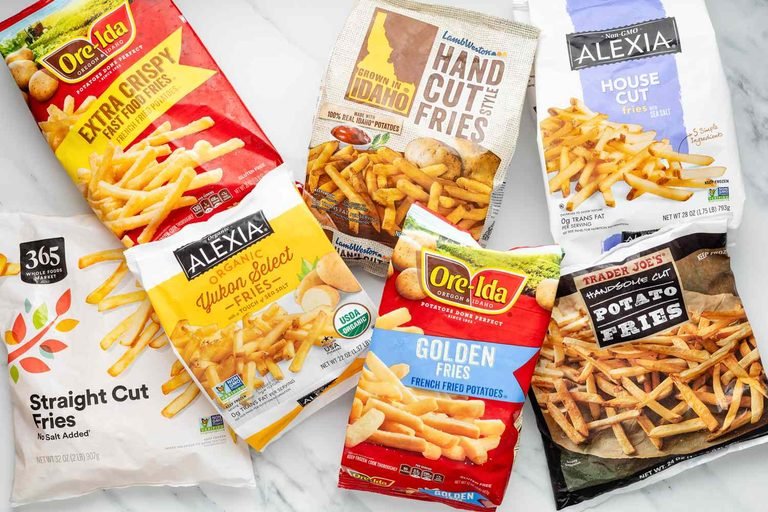
Frozen fries look simple, but the bag in your freezer is the result of a mid-century food revolution that changed fast food and home cooking.
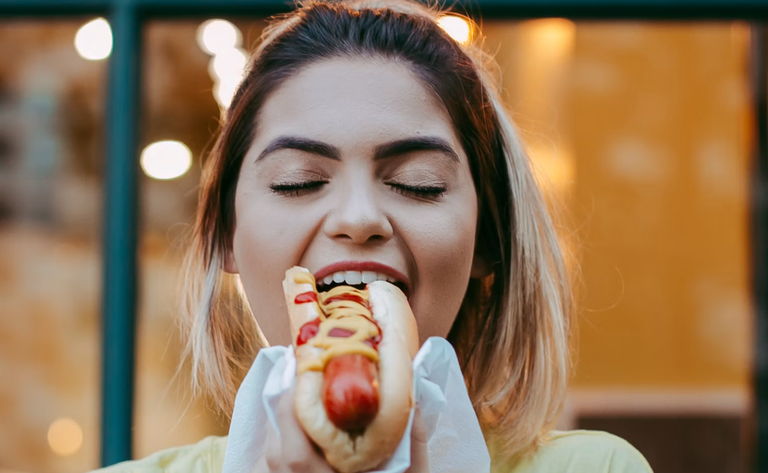
From a ballpark mustard fart to Canadian prairie fields, discover the surprising story behind mustard, Grey Poupon, hot dogs and the tiny seeds behind the condiment.
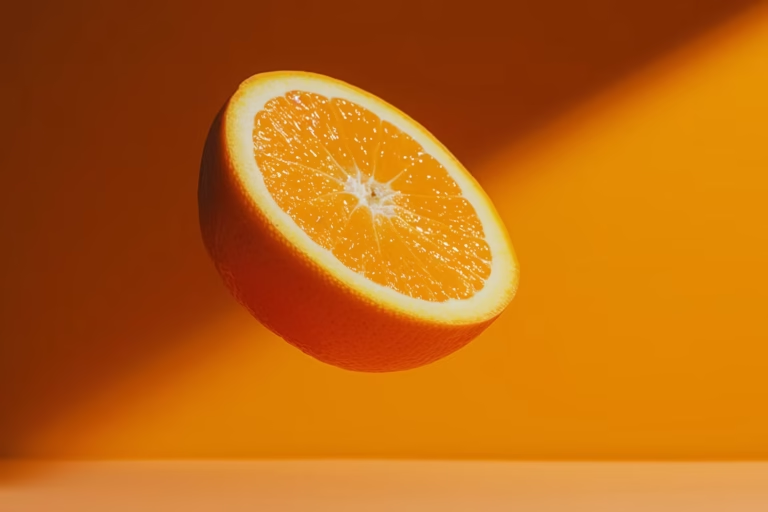
Why is an orange called an orange? The answer involves ancient languages, a missing N, a famous movie, hybrid fruit and a color that borrowed its name.
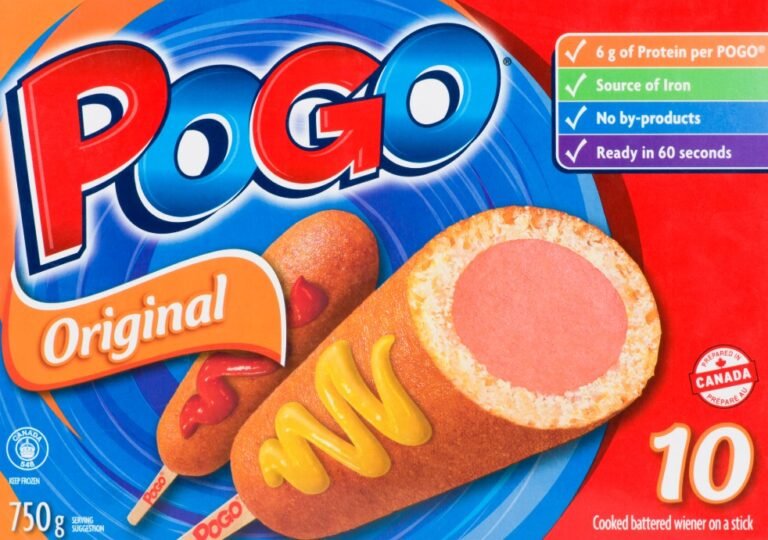
Why do Canadians call corn dogs Pogos? The answer involves a Quebec brand, a 1960s trademark and a food name that became Canadian vocabulary.
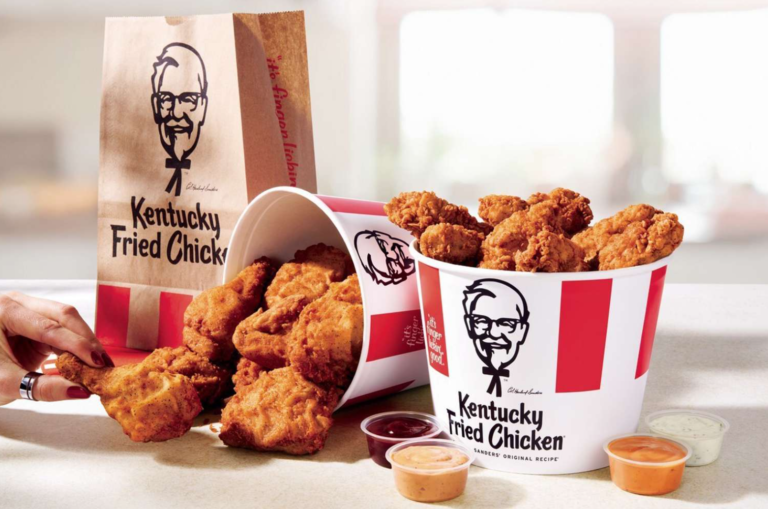
Colonel Sanders sold KFC for $2 million, then watched it become a global fast-food giant while openly criticizing the company he founded.