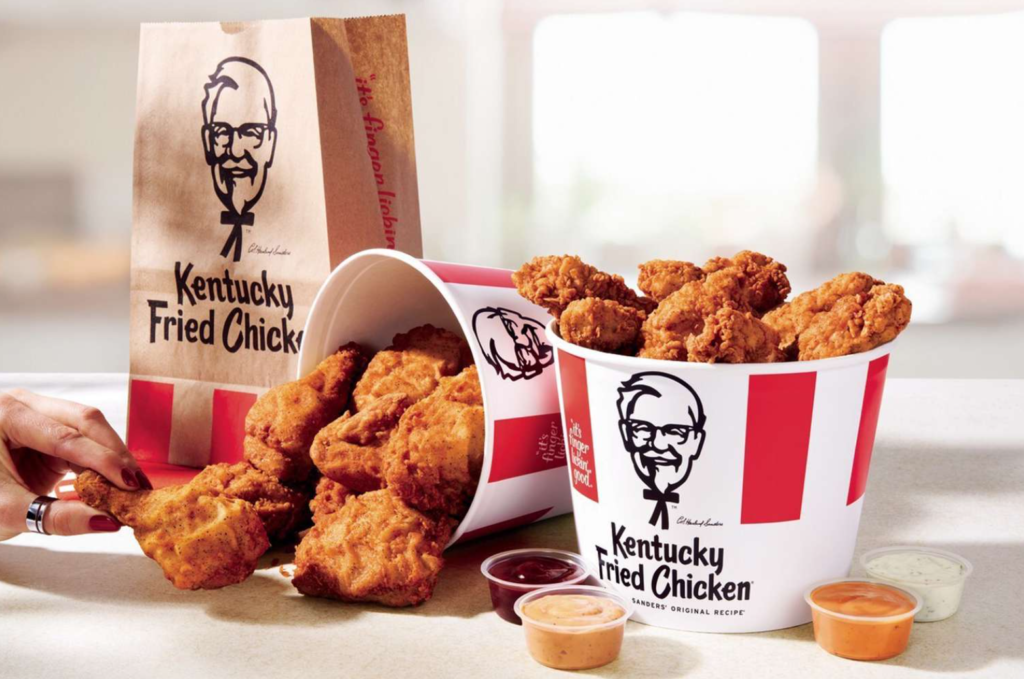
If someone offered you $2 million for your business, would you take it? At 73 years old, Colonel Harland Sanders faced exactly that decision. In 1964, he sold Kentucky Fried Chicken for about $2 million, believing he had earned a comfortable retirement after decades of hard work. It was a perfectly reasonable deal at the time, yet history would turn it into one of the business world’s greatest “what if” stories.
Calling it a mistake is probably unfair because no one could have predicted what would happen next. KFC eventually grew into one of the world’s largest fast-food chains, serving millions of customers across the globe. Looking back with modern eyes, it’s easy to imagine Sanders leaving a fortune on the table, but hindsight has a habit of making every business decision seem obvious.
The man behind the white suit was every bit as interesting as the company he created. Sanders wasn’t actually a military colonel. The title was honorary, awarded by the Commonwealth of Kentucky in recognition of his contributions to the state’s cuisine. Rather than simply accepting the honour, he turned the white suit, black string tie and neatly trimmed goatee into one of the most recognizable personal brands in advertising history.
Long before fried chicken made him famous, Sanders bounced between careers that included farmhand, railroad worker, insurance salesman and ferry operator. He even studied law through a correspondence course before his legal career came to an abrupt end after getting into a fistfight with one of his own clients inside a courtroom. If nothing else, Sanders never seemed to lack confidence or conviction.
His fiery personality surfaced again while operating a gas station in Kentucky. A dispute over a painted roadside advertising sign escalated into a shootout. One man was killed, Sanders wounded his rival, and the charges against him were eventually dropped. It’s almost impossible to reconcile that story with the smiling grandfatherly figure who would later become one of the world’s most beloved advertising icons.
Everything changed when Sanders perfected his pressure-fried chicken recipe and began franchising it across the United States. His simple formula of quality chicken, fast service and consistency caught on quickly, and before long hundreds of restaurants were proudly serving Kentucky Fried Chicken. Success finally arrived, but it came much later in life than most people realize.
Managing a rapidly growing company in his seventies wasn’t an easy assignment, making the sale understandable. Sanders accepted the offer, remained the public face of the brand and watched from the sidelines as KFC expanded at a pace few companies could match. His smiling face appeared on restaurant signs, buckets and advertisements around the world, even though he no longer owned the company.
That didn’t mean he always approved of what he saw. Sanders became one of KFC’s most outspoken critics, complaining that the recipes had changed and the quality no longer met the standards he had worked so hard to establish. His relationship with the company eventually deteriorated into legal disputes over the use of his name and image before both sides settled. Even after that, Sanders never hesitated to tell reporters exactly what he thought.
Perhaps that’s why his story continues to fascinate people more than 60 years later. The money is only part of the conversation. Sanders achieved financial security, created one of the world’s most recognizable brands and became more famous after selling the company than he had been while running it. Very few entrepreneurs can say the same.
Most founders eventually fade into the background once they leave their companies. Colonel Sanders did the opposite. He became bigger than the business itself, proving that sometimes the greatest legacy isn’t the company you build, but the unforgettable character you become.
Discover more from Grubbits
Subscribe to get the latest posts sent to your email.