
Brussels sprouts have long divided opinion, and I’ll admit, they’ve never been my favorite, a dislike that traces back to childhood. That aversion was famously captured in a 1960 episode of the classic TV series Leave It to Beaver. The scene opens on a pristine ceramic dinner plate, decorated with a delicate floral border, nearly empty except for a small cluster of eight sad Brussels sprouts huddled to one side. Nearly 25 minutes of the episode portray the vegetable as the ultimate dinner table villain, cementing its notorious reputation in pop culture history.
This single episode echoed across generations, influencing countless TV shows and movies, from Desperate Housewives to Ernest Scared Stupid. The anti-Brussels sprouts messaging helped cement the vegetable’s image as the culinary equivalent of punishment, something few diners willingly embrace. Even today, Brussels sprouts remain the “snakes” of the vegetable world: feared, misunderstood, and often skipped on plates, leaving their story in the kitchen confusing and controversial.
Brussels sprouts are tiny green cousins of cabbage, broccoli, and kale. They started in the Mediterranean but got their fancy name in Brussels, Belgium, in the 16th century. Clever plant breeding turned wild cabbage into crunchy little heads on a stalk, giving us the sprouts we love to eat or love to hate.
During the 1980s and 90s, Brussels sprouts became widely seen as “gross,” a cultural meme fueled by older, bitter varieties and overcooking techniques that left them mushy with sulfurous aromas. By the early 2010s, however, the narrative changed as Brussels sprouts experienced a culinary renaissance. Innovative chefs like David Chang of Momofuku in New York City popularized creative preparations, pan-roasting with bacon, pairing with puréed kimchi, or adding fish sauce, so popular that some dishes temporarily vanished from menus. Media coverage chronicled the transformation from maligned cafeteria fare to trendy foodie favorite, highlighting recipes like shaved Brussels sprouts salads and crispy roasted sides.
Scientific advancements also played a role. Selective breeding in the 1990s and 2000s reduced the naturally bitter compounds in modern sprouts, making them sweeter and more palatable. Social media and food blogs further fueled the trend, with appetizing images of roasted, fried, and bacon-wrapped Brussels sprouts cementing their status on restaurant menus and in home kitchens alike.
Fast forward a few decades, and Brussels sprouts have seen a remarkable rise in popularity. According to the U.S. Department of Agriculture, national consumption more than doubled, increasing from 0.33 pounds per person in 2011 to 0.78 pounds in 2019. California leads the nation in production, and by 2022, Brussels sprouts had grown into a $189 million industry in the state, according to the California Department of Food and Agriculture.
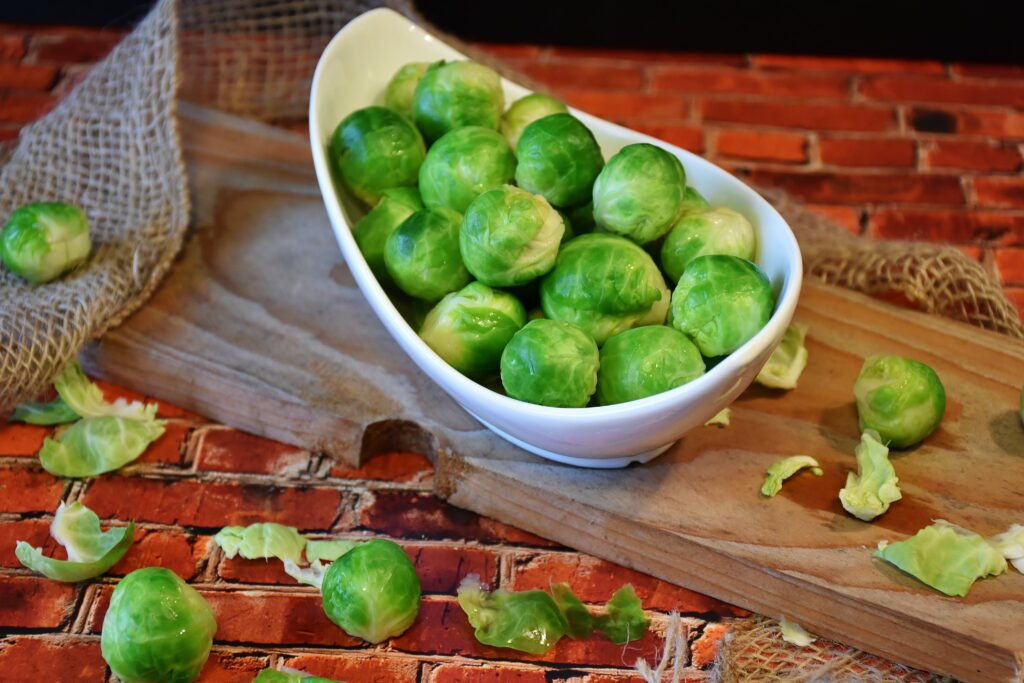
People’s dislike for Brussels sprouts often stems from genetics, early experiences, and preparation mistakes. Some carry a gene that heightens sensitivity to bitter flavors, while overcooking can produce mushy, intensely bitter sprouts. Children naturally reject bitter foods, reinforcing negative associations. Fortunately, modern cross-bred varieties and proper cooking techniques can transform Brussels sprouts into a delicious, crave-worthy side dish.
How to Actually Enjoy Brussels Sprouts
- Roast them: Toss with olive oil, salt, and pepper, then roast until crispy to bring out a naturally sweet, nutty flavor.
- Add flavor: Use bacon, Parmesan, balsamic glaze, or honey to balance any remaining bitterness.
- Try them raw: Shredded into a slaw, Brussels sprouts offer a crunchy, fresh alternative.
Today, high-heat methods like roasting or sautéing are the preferred ways to cook Brussels sprouts, producing caramelized, crispy textures and sweet, nutty flavors. Boiling or steaming is less popular, as these methods can intensify sulfurous aromas and create a mushy consistency. With the right approach, Brussels sprouts can shed their villainous reputation and become a beloved part of any meal.
Discover more from Grubbits
Subscribe to get the latest posts sent to your email.