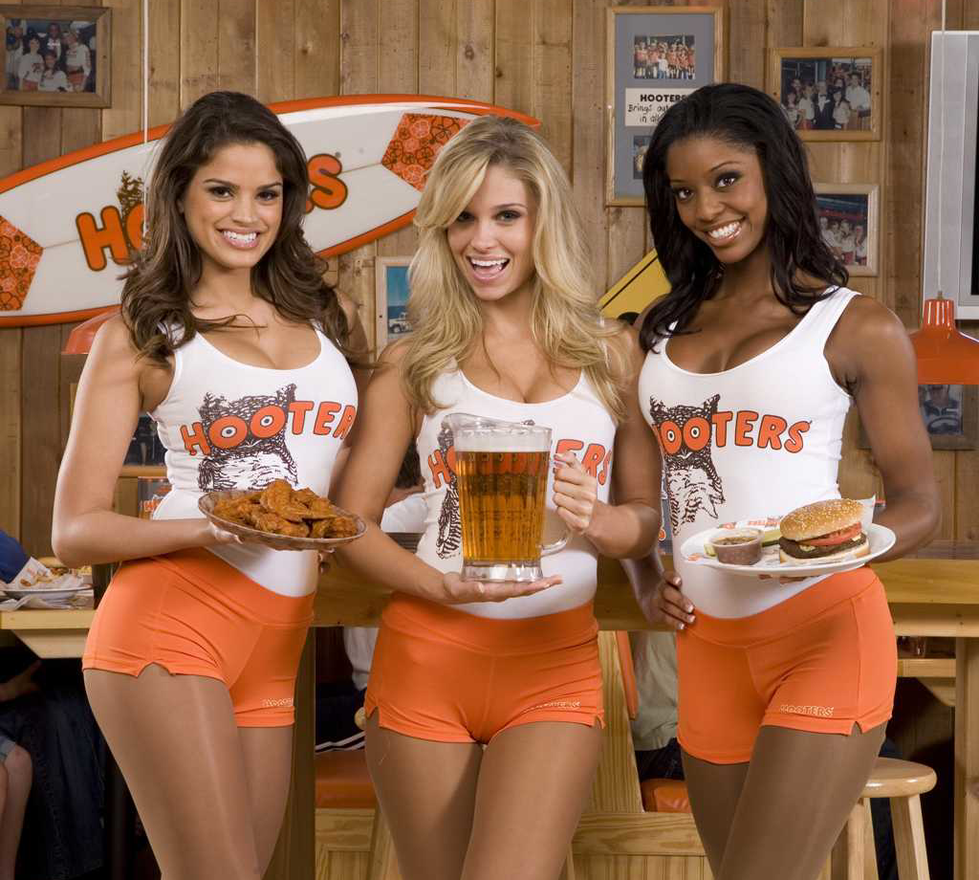
Imagine six guys with no restaurant experience opening a chicken-wing restaurant in Clearwater, Florida. They incorporated the company on April Fools’ Day in 1983, which tells you something about how seriously they expected this to go. L.D. Stewart, Gil DiGiannantonio, Ed Droste, Billy Ranieri, Ken Wimmer and Dennis Johnson became known as the “Hooters Six.” Although, judging by how things turned out, there may have been a seventh guy involved: the guy who thought this was actually going to work. The first restaurant opened that October, and somehow the joke stuck. What began as a questionable experiment became one of the most recognizable names in the restaurant business.
The early Hooters story sounds more like six guys testing an idea than the beginning of an empire. They wanted a casual Clearwater hangout built around beer, chicken wings, sports and a beach atmosphere, with attractive women serving the food. When business was slow, they got creative. Ed Droste reportedly climbed into a giant chicken costume to attract passing motorists, and those homemade marketing stunts helped get people through the door. The orange shorts, white tank tops and unmistakable name soon became more than restaurant details. They became the identity, creating a brand people could recognize before they even saw the menu.
And Hooters became very good at being Hooters. You knew what the restaurant was before you walked through the door. The wings, sports, beach-bar attitude and uniforms all pointed in the same direction, which is exactly what a strong brand is supposed to do. The identity became so recognizable that you could probably sketch the basic Hooters look on a napkin and most people would know what you were drawing. Companies spend millions trying to create that kind of recognition, while Hooters built it around a concept that was impossible to misunderstand. The personality wasn’t added to the restaurant. The personality was the restaurant.
Then the world changed. After Hooters of America entered bankruptcy proceedings in 2025, Original Hooters and the founding group moved to regain control of the brand. The company began talking about returning to its roots while putting more emphasis on food, community and families. That sounds reasonable enough, but rebranding isn’t like repainting a wall. You can change the menu, advertising and atmosphere, but you cannot simply erase what customers already think when they hear your name. Hooters spent decades telling the world exactly what Hooters was, and now it has the considerably harder job of explaining what it is supposed to become.
That puts Hooters in an awkward position. The company wants a more family-friendly identity while retaining some of the elements that made Hooters famous. In her New Yorker examination of the brand, Hannah Goldfield questions whether Hooters can make that transformation without losing the identity it spent decades building. If the company changes too little, people may not believe the new message. If it changes too much, longtime customers may wonder why they should care about the new version. The problem is that Hooters isn’t starting with a blank sheet of paper. It is trying to edit a story that customers have already memorized.
That is the danger of rebranding. A company can become so successful at being itself that eventually its own identity becomes the obstacle to its next chapter. Hooters is especially difficult because the original concept was never subtle. The name, uniforms, Hooters Girls, sports and atmosphere were all part of the experience, so changing one piece can alter the meaning of the whole thing. The company can say it wants to be a friendly neighborhood restaurant, but the public already has a very established picture of what happens when you walk through that door. A new advertising campaign can introduce a new message, but it cannot magically delete four decades of memories.
The strange part is that kids may not care about any of this. They see chicken wings, fries and sports on television. They don’t have decades of cultural baggage attached to the name, and they aren’t sitting at the table analyzing the brand strategy between bites. To them, Hooters may simply be another place to eat, which could actually be the company’s biggest opportunity. If a new generation grows up thinking of Hooters primarily as a casual restaurant instead of a cultural punchline, the company may eventually accomplish something that a marketing campaign alone never could.
Six guys opened a restaurant they had every reason to believe might fail, and instead the joke became the brand, the brand became an empire and the empire eventually had to decide whether the joke still worked. Maybe Hooters doesn’t need to become something completely different. Maybe it needs to figure out which parts of the original people actually loved and which parts have simply become baggage. That is the tricky part of rebranding: you need to change enough to move forward without changing so much that people stop recognizing what they liked about you in the first place. The safest thing we can do is keep abreast of what happens next.
Because you can change a menu, redesign a restaurant and rewrite an advertising campaign. You can even change the customers you hope to attract. What you can’t easily change is what people remember when they hear your name, because that part of the brand doesn’t belong to the company anymore. It belongs to the customers. And when six guys accidentally build a brand around a joke, they may eventually discover that the hardest thing to change is the punchline.
Nibbles
In 2016, Hooters served Pork Wings, because apparently regular chicken wings weren’t confusing enough. They were boneless pork bites tossed in a sweet-and-spicy barbecue sauce.
Discover more from Grubbits
Subscribe to get the latest posts sent to your email.