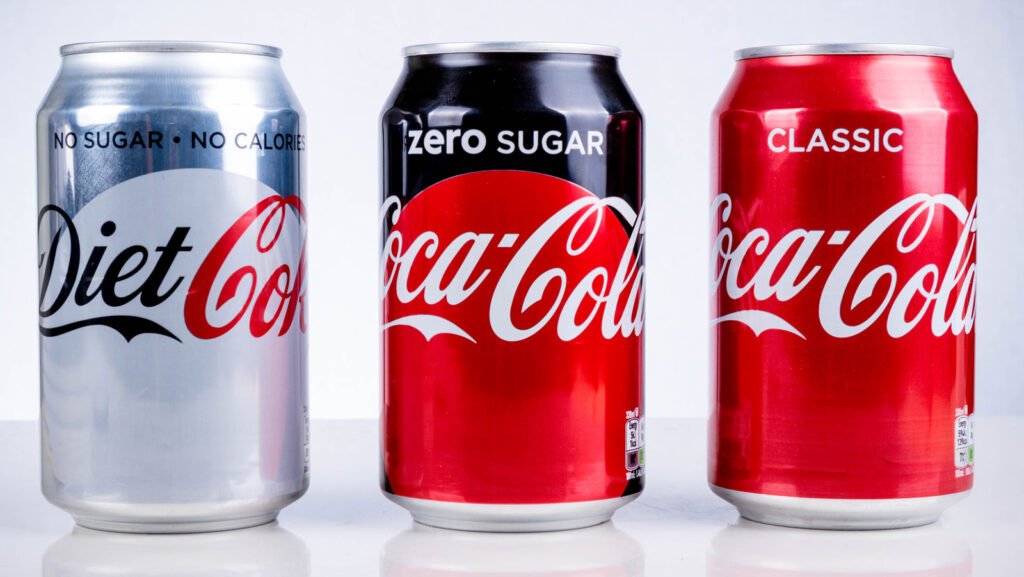
Walk into almost any convenience store and stare into the soda cooler for a few seconds. There they are: Classic Coca-Cola, Diet Coke and Coca-Cola Zero Sugar, lined up like three members of the same family who have stopped speaking to each other. All carry the famous Coca-Cola name, yet each has a very different following. Why does Coca-Cola need three versions of what appears to be the same drink? It sounds like corporate overkill until you realize the company has spent decades learning that Coke drinkers do not necessarily want the same Coke.
Classic Coca-Cola is the family heavyweight. The company traces the drink back to 1886, and it remains the flavor against which the others are judged. In Canada, a 355 mL can contains 42 grams of sugar and 34 milligrams of caffeine. It is sweet, familiar and instantly recognizable. You take a sip and there is no identity crisis. Your brain simply says, “Yep. That’s Coke.” Classic Coke is the drink that started the whole family, so naturally it gets to sit at the head of the table.
Then Diet Coke showed up in 1982 and immediately made things more complicated. Diet Coke was not simply Classic Coke with the sugar removed. Coca-Cola developed it as a separate product with its own flavor profile, and the project was so secret that only a handful of senior executives initially knew about it. That is some serious cloak-and-dagger behavior for a beverage. Diet Coke eventually developed a fiercely loyal following, and those drinkers were not necessarily looking for a sugar-free version of regular Coke. They wanted Diet Coke. Once people decide they love a particular soda, changing the formula is no longer a product decision. It becomes a personal attack.
Then came Coke Zero in 2005, later renamed Coca-Cola Zero Sugar, and the family argument got even more interesting. This time, Coca-Cola wanted a zero-sugar cola designed to deliver a taste closer to regular Coca-Cola. The company was answering a different question: what if people wanted to skip the sugar without switching to Diet Coke’s distinct flavor? Coca-Cola’s Canadian product information makes the distinction clear. Zero Sugar is designed around Coca-Cola taste, while Diet Coke offers a lighter, more distinct taste. Three Cokes had officially become three different propositions.
The formulas help explain why the two sugar-free drinks do not taste identical. Canadian Diet Coke uses aspartame and acesulfame potassium, along with phosphoric and citric acids, while Coca-Cola Zero Sugar uses aspartame and acesulfame potassium with phosphoric acid and potassium citrate. Those choices affect sweetness, acidity and the way the flavor develops as you drink it. The cans may look like relatives, but they are not simply the same recipe wearing different outfits.
There is even a caffeine argument. In Canada, a 355 mL can of Diet Coke contains 45 milligrams of caffeine, compared with 34 milligrams in the same size Coca-Cola Zero Sugar. So Diet Coke is not only the sharper sibling. It is also the one quietly showing up to the family gathering with extra caffeine. If your afternoon is going badly and you want a sugar-free cola with a little more kick, Diet Coke has your back. Apparently, even Coca-Cola’s diet products need different personalities.
But there is a much bigger reason Coca-Cola has no interest in forcing everyone to drink the same Coke: history has already taught the company what happens when it messes with people’s favorite formula. In 1985, Coca-Cola introduced New Coke and discovered that consumers were considerably less interested in corporate ideas about “improvement” than executives expected. The backlash became legendary, and Classic Coke eventually returned. After an experience like that, keeping several versions of Coke on the shelf starts looking less like corporate clutter and more like a very sensible insurance policy.
That is the real genius of the three-Coke strategy. Classic Coke gets the traditionalists, Diet Coke gets the people who love its distinctive bite, and Zero Sugar gets the crowd that wants the familiar Coca-Cola experience without the sugar. Coca-Cola does not have to find one perfect formula that makes everybody happy. It can give different drinkers different Cokes and let them pick their champion.
So the next time you stand in front of the cooler and wonder why Coca-Cola needs three different colas, remember that you are not looking at three copies of the same drink. You are looking at three generations of Coca-Cola strategy, three different flavor philosophies and three groups of people who have already picked sides.
This is not a product lineup. It is a soda civil war, and nobody is surrendering their can.
Nibbles
Diet Coke was such a secret project that only a handful of Coca-Cola executives initially knew it existed. Apparently, even soda needs a classified file.
Discover more from Grubbits
Subscribe to get the latest posts sent to your email.