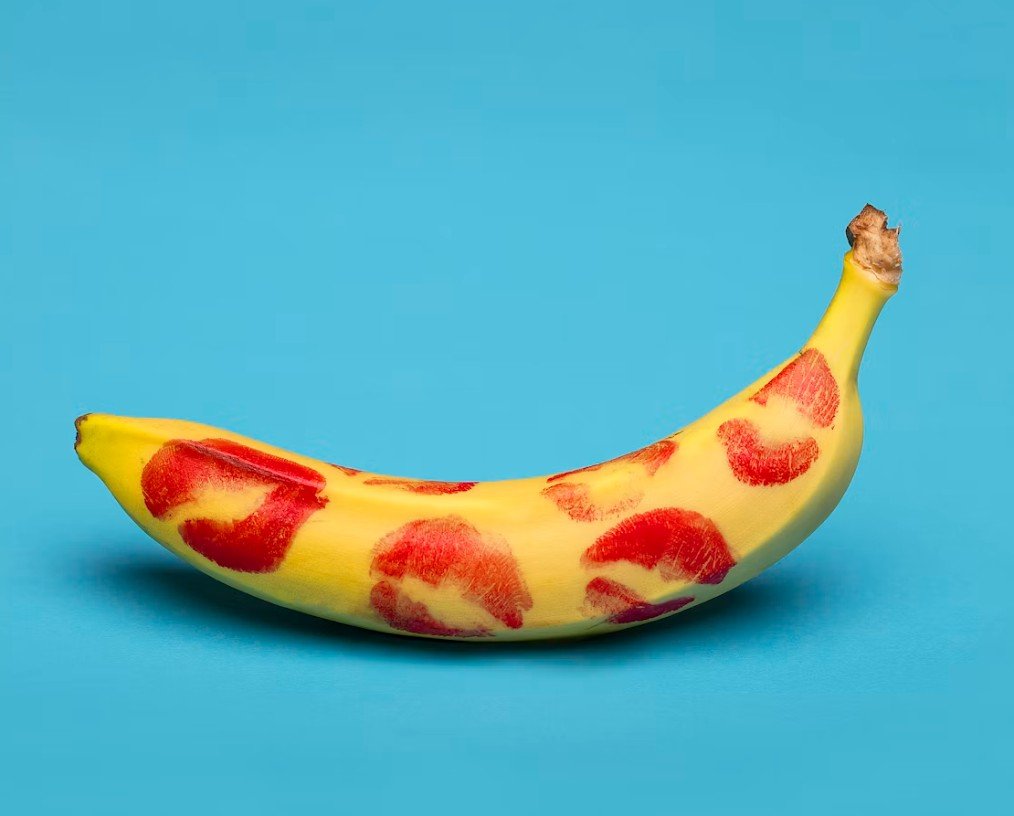
If you want to understand the banana’s greatest botanical plot twist, you could open a biology textbook, or you could travel back to 2004 and let Gwen Stefani deliver the lesson with her famous spelling exercise, “B-A-N-A-N-A-S.” She was talking about bananas in a very different context, but she was unknowingly giving us a pretty accurate description of one of the strangest facts in the produce aisle: the banana is technically a botanical berry. That sounds ridiculous because bananas look about as much like berries as a school bus looks like a blueberry, but botanical classification has never been particularly interested in appearances.
This also means the Minions have been onto something all along, because those little yellow creatures have spent years running around screaming “BANANA!” with the intensity of people who have discovered the greatest food on Earth. What they apparently failed to mention is that their favorite yellow fruit is actually a legitimate member of the botanical berry club. Meanwhile, the strawberry has been walking around with the word “berry” practically built into its identity while failing the botanical background check, which is quite a plot twist for something that looks like it belongs on the cover of a fruit calendar.
If fruit had a high school cafeteria, the strawberry would absolutely be sitting at the popular table because it is bright red, photogenic, sweet, and universally invited to parties. It has also managed to convince nearly everyone that it is a berry, but botanically speaking, the strawberry is playing a completely different game. It is an aggregate accessory fruit, which sounds less like something you eat with whipped cream and more like a legal classification nobody wants to explain at dinner.
Those tiny dots covering the outside of a strawberry are not simply seeds sitting on the surface, because each one is an achene, a small dry fruit that contains a seed. The juicy red portion we think of as the fruit is actually the swollen receptacle of the flower, which means the strawberry has spent centuries building an impressive reputation while quietly hiding its true botanical identity.
Now think about what happens when you order a Strawberry Banana Smoothie, because you are essentially putting two fruits with completely different botanical résumés into the same blender. The strawberry has “berry” right there in its name but is not a botanical berry, while the banana looks nothing like the berries we picture in our heads and is actually classified as one.
Nature clearly enjoys a good joke, especially when it comes to the produce aisle and the assumptions we make about what we are eating. We use everyday fruit names because they are convenient, not because they necessarily follow botanical rules, which is why nobody is going to correct you for calling a strawberry a berry while eating one.
Still, the next time you make a Strawberry Banana Smoothie, remember the strange truth hiding underneath the blender lid, because the fruit world is considerably more complicated than the labels at the grocery store suggest. The strawberry may have the reputation, but the banana has the botanical paperwork, and Gwen Stefani may have accidentally been spelling out the evidence all along.
Nibbles
Toss a banana into a sink full of water and it will float because its density is much lower than water.
Discover more from Grubbits
Subscribe to get the latest posts sent to your email.